

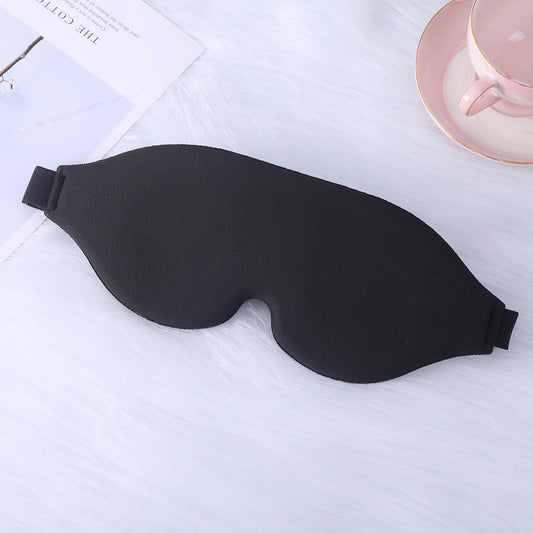
Sleep Horizon approaches sleep masks differently. Every mask is evaluated for true light blocking performance, structural integrity, material quality, overall quality, and fit across different face shapes and sleeping positions. Many mass-market masks feel soft but allow light leaks around the bridge, shift across the head, or lose their shape after repeated use. Unlike other masks and other sleep masks that often compromise on fit, adjustability, or light-blocking capabilities, Sleep Horizon’s designs address these shortcomings by focusing on secure fit, superior materials, and consistent performance for a wide range of users. A mask that does not stay in place or fails to block light consistently does not improve sleep in any meaningful way when worn at night.
This page explains how sleep masks work, the types of masks available, and how to choose one that actually improves sleep quality. You will see detailed comparisons between contoured masks, silk sleep masks, weighted masks, and travel designs, along with guidance on strap systems, foam construction, and long-term wear. Travel-friendly sleep masks are typically lightweight and easy to pack for trips, making them ideal for use in different environments.
The Science of Sleep Masks
How Darkness Triggers Melatonin and REM Sleep
Darkness is not optional for sleep. It is a biological trigger. The pineal gland releases melatonin in response to reduced light exposure, signaling the body to initiate sleep. Research shows that even 5 to 10 lux of light can reduce melatonin levels, which means light that feels dim can still disrupt sleep.
A properly fitted sleep mask blocks light at the eyelids, creating darkness even when the surrounding room is not fully dark. When a mask is worn consistently at night, it maintains the conditions required for melatonin release. This allows the body to move naturally into deeper sleep stages.
Studies show that sleep masks increase time spent in REM sleep and shorten REM latency, meaning the brain enters deeper sleep more efficiently. Blocking light overnight has also been linked to improved episodic memory encoding and faster reaction times the next day, which reinforces that darkness supports both sleep and cognitive performance.
Melatonin follows a predictable curve. It begins rising in the evening, peaks between roughly 2 and 4 AM, and then declines toward waking. A sleep mask worn through the night helps preserve this curve, even when external light changes. Streetlights, early sunrise, or a partner turning on a lamp can interrupt melatonin timing if the eyes are exposed. By blocking light at the eyelids, the mask ensures that melatonin production continues uninterrupted, even as morning light enters the room. This is especially important for maintaining sleep quality in the morning, when natural light can otherwise disturb rest. This matters most in inconsistent environments, where ambient light levels shift throughout the night.
The Research on Light Exposure and Sleep Quality
Light exposure during sleep is more common than most people realize. Over a third of Americans report that indoor or outdoor light disrupts their sleep, causing you to wake up and have difficulty falling asleep. Common sources include streetlights, electronic devices, and even a partner's reading light, all of which can be effectively blocked by a sleep mask to improve sleep quality.
Research has shown that even dim light exposure can increase cortisol levels at night. Cortisol is a stress hormone that interferes with sleep architecture when elevated. When a sleep mask is worn, it blocks these light signals and helps stabilize both melatonin and cortisol levels.
Clinical research in hospital settings provides strong evidence. Patients in ICU environments who used sleep masks and earplugs showed measurable improvements in sleep architecture, including more time in deeper sleep stages and reduced cortisol levels. These masks were worn in high-light, high-noise environments, yet still improved sleep outcomes. This research has translated into broader recommendations for anyone sleeping in light-polluted environments. Sleep masks, when worn at night, reduce light effectively enough to improve sleep even in suboptimal conditions.
Studies also show that sleep masks improve memory consolidation and next-day alertness, reinforcing that controlling light exposure has measurable effects beyond subjective sleep quality.
Why Even Small Amounts of Light Disrupt Sleep
The human eye does not shut off when closed. Eyelids are translucent, not opaque, and can transmit between 5 and 15 percent of incoming light depending on thickness and skin tone. This means that even with eyes closed, the brain still detects light.
This is why a sleep mask is necessary to achieve complete darkness. Without a mask, ambient light continues to reach the retina through the eyelids, disrupting melatonin production and sleep cycles. While some sleep masks do a decent job of blocking most light and fitting different face shapes comfortably, even small light leaks around the nose bridge or edges of a mask can reduce effectiveness.
A well-designed mask blocks this light completely. By eliminating unwanted light exposure at the eyelids, sleep masks help maintain deeper sleep stages. These stages are critical for immune function, tissue repair, and neurological recovery.
How Sleep Masks Compare to Blackout Curtains
Blackout curtains operate at the room level. A sleep mask operates at the eye level, which makes it more reliable. Curtains reduce ambient light, but they cannot eliminate all sources. Light still enters through edges, electronics, or reflections.
A sleep mask creates total darkness directly at the eyes, regardless of the room environment. It is portable, consistent, and does not depend on external setup.
Cost and flexibility also matter. Curtains require installation and only work in one space. A sleep mask can be worn anywhere, providing the same light blocking performance across different environments. For people who travel or cannot fully control their bedroom, this consistency is critical.
Types of Sleep Masks
Contoured Sleep Masks
Contoured masks are designed with structured shapes and deep eye sockets or cups that sit away from the eyelids, providing ample space and comfort for the eyes. This design allows natural eye movement, reduces pressure, and protects eyelashes. Many use memory foam to maintain their shape, ensuring consistent light blocking when worn. A larger surface area on these masks provides better coverage from light and conforms to various face shapes, enhancing both comfort and darkness-blocking effectiveness.
Premium contoured masks typically use medium-density memory foam in the 40 to 50 kg per cubic meter range. This foam holds its shape without collapsing. Eye cups are usually between 0.75 and 1.25 inches deep, allowing space for blinking and eye movement. Deeper eye cups improve comfort but require a well-designed strap to prevent shifting. Contoured masks feature moulded shapes that sit on the brow and cheekbones, keeping material off the eyelids and allowing you to open your eyes fully. They also have recessed eye cups that let you blink freely and protect eyelash extensions.
The Manta Sleep Mask is widely recognized for its adjustable eye cups that allow for a customizable fit, providing 100% blackout and comfort for different face shapes. Each cup can be positioned independently to match different face shapes, allowing the mask to seal more effectively around the nose bridge and cheekbones. The Manta Pro follows a similar approach with improved materials and foam structure.
The Nidra Deep Rest Eye Mask uses deep eye cups and a lightweight design, providing ample space for eye movement and making it comfortable for side sleepers. These eye masks provide space for eyelids and eyelashes, which reduces irritation during long wear.
Face shape plays a major role. Round, oval, and long face shapes all interact differently with a mask. The Manta Sleep Mask addresses this by allowing each eye cup to be adjusted independently, improving fit across head sizes, including larger head shapes. Single-piece masks often fail here because they force a uniform shape.
Eye Cups and Their Role in Mask Design
Eye cups are the structural feature that separates premium masks from flat designs. Deep eye cups create space between the mask and the eyelids, which prevents pressure on the eyes and allows natural blinking during sleep. Eye cups protect eyelashes and eyelash extensions from compression, a major concern for people that sleep on their sides and people with sensitive eyes. The depth of the eye cups affects both comfort and light blocking. Shallow cups feel lighter but allow more pressure on the eyes. Deep eye cups create more space but require a stable strap system to prevent shifting.
Silk Sleep Masks
A silk sleep mask prioritizes softness and skin compatibility. High-quality masks use mulberry silk, which is measured in momme. Most sleep masks fall between 16 and 22 momme, with 19 to 25 momme considered ideal. Lower momme silk is lighter but less durable, while higher momme silk is thicker and more luxurious.
Silk feels soft against the skin and reduces friction, exerting minimal pressure on the face for enhanced comfort during all-night wear. This gentle contact helps prevent sleep creases and reduces irritation. Selecting hypoallergenic, breathable materials like silk can also help prevent acne or skin irritation. Silk sleep masks made from mulberry silk are especially breathable and comfortable, making them ideal for all-night use without overheating. The Alaska Bear is a common example of a flat silk sleep mask. These masks are comfortable but often allow light leaks around the nose bridge, especially when the mask shifts during sleep.
Silk is also breathable. A silk sleep mask regulates temperature better than synthetic fabrics, making it suitable for all-night wear. For people with sensitive skin, silk is often preferred over synthetic materials.
Care is important. Most masks made of silk require hand wash cleaning with cold water and mild detergent. Some newer designs allow machine wash on delicate cycles, but air drying is still recommended to preserve the fabric.
Masks made from cotton are breathable and soft, providing comfort for year-round use, but may not be as cool as silk options.
Mulberry Silk Quality
Mulberry silk is the gold standard for silk sleep masks. Mulberry silk comes from silkworms fed exclusively on mulberry leaves, which produces longer, smoother, and more uniform fibers than wild silk varieties. This results in a softer, more durable fabric that handles repeated wear and washing better than lower-grade silks. A genuine mulberry silk mask should feel cool to the touch, drape softly against the face, and resist visible wear after months of use. Lower-grade silk masks often blend mulberry silk with synthetic fibers.
Weighted Sleep Masks
Weighted sleep masks apply gentle pressure to the eyes and temples. This pressure is based on deep pressure therapy, which activates the parasympathetic nervous system. This can reduce heart rate and cortisol levels.
These masks are typically worn for short periods, such as 20 to 30 minutes before sleep, rather than throughout the night. Weighted sleep masks can also be used for a quick nap, providing gentle pressure and relaxation during daytime rest. The pressure can become uncomfortable during side sleeping or movement.
For individuals dealing with migraines or anxiety-related sleep issues, weighted masks can provide relief. The pressure reduces sensory input and creates a calming effect. Some users combine a contoured mask for all-night wear with a weighted mask for pre-sleep relaxation.
Travel and Adjustable Sleep Masks
Travel masks are designed for portability. A good travel mask should weigh under 3 ounces, pack flat, and include an adjustable strap system. Velcro straps are common because they allow precise adjustment across different head sizes, and strap tightness is crucial for achieving a secure, comfortable fit that prevents light leaks and enhances sleep quality. Many travel-friendly sleep masks feature adjustable straps to ensure a snug fit for various head sizes, which is essential for comfort during travel.
Cheaper travel masks often use thin fabric and thin elastic straps that lose tension over time. These designs allow light leaks and fail to maintain a seal.
Better travel masks use soft velcro strap systems, breathable fabric, and machine washable materials, which are important for extended trips. Materials like modal fabric and memory foam can enhance comfort by providing a soft touch against the skin and allowing for breathability. A mask that can be machine washed is easier to maintain, especially when worn nightly in different environments.
Who Sleep Masks Are For
Sleep masks are useful for a wide range of people. Shift workers, travelers, and individuals in urban environments often deal with inconsistent light exposure that disrupts sleep. Sleep masks are also ideal for naps, providing comfort and effective light blocking for short rest periods during the day.
Creating a pitch-dark sleep environment can be challenging, especially for frequent travelers or night-shift workers, making sleep masks an affordable solution to block out light.
Side sleepers and back sleepers have different needs. Side sleepers benefit from thinner masks and low-profile straps, which are recommended to avoid pressure on the ears and temples, especially when using firm pillows. Thinner masks are also cooler in warm conditions and help prevent light leaks around the nose and sides, enhancing overall sleep quality. Back sleepers have more flexibility and can wear thicker masks without discomfort. Matching mask design to sleeping position improves long-term comfort.
The Eye Mask as a Daily Sleep Tool
An eye mask is one of the simplest sleep tools available, but its impact compounds with consistent use. The right eye mask becomes part of a daily routine, signaling to the body that it is time to sleep. Unlike supplements or devices, an eye mask requires no setup, no charging, and no maintenance beyond occasional cleaning. The repeated use of an eye mask over weeks and months is what produces measurable improvements in sleep quality, not any single night of wear.
People with conditions such as insomnia or delayed sleep phase disorder often use sleep masks as part of light management therapy. The mask is worn nightly to create consistent darkness, while daytime light exposure is controlled separately. This approach requires consistency.
Masks also act as a physical barrier, trapping moisture around the eyes and protecting them from drafts, dust, and low-humidity air, helping protect the eyes during sleep.
Larger, wrap-around designs of sleep masks offer more reliable blackout coverage, especially if you move around during the night.
Building a Better Sleep Environment With a Sleep Mask
A sleep mask works best as part of a system. Light is one variable, but temperature, noise, and routine also matter. A mask creates a controlled light environment, which improves consistency.
The concept of a sleep stack is useful. A good sleep mask combined with temperature control, noise reduction, and consistent bedtimes produces better results than any single intervention. The mask handles the light variable reliably, but other factors still contribute to sleep quality.
People using sleep trackers often see measurable changes. Sleep masks worn consistently can increase deep sleep duration and REM time, while reducing resting heart rate. These changes typically appear within a few weeks, providing objective confirmation that the mask is working.
Bedtime Bliss as a Sleep Outcome
Bedtime bliss is not a marketing phrase. It is the result of consistent sleep conditions, including darkness, temperature control, and reduced sensory input. A well-designed sleep mask creates the bedtime bliss many sleepers chase by removing one of the most common disruptors, which is light exposure. When worn nightly, a quality mask supports the relaxed state that allows the body to transition into deeper sleep stages. The bedtime bliss effect is most noticeable in the first two weeks of consistent use.
How to Choose the Best Sleep Mask
Light Blocking and Blackout Coverage
The primary goal of a good sleep mask is to remove light completely. Coverage must extend from the brow to the cheekbones and across the nose bridge.
Testing is simple. Wear the mask in a lit room and check for light leaks. Most masks claim to block all light, but their effectiveness varies. Thinner, less bulky designs with better coverage tend to perform best. A good side-sleeping mask should have ample nose and side coverage to prevent light leaks, even when pressed against a pillow. A mask that allows any light through will not provide complete darkness.
Wrap-around designs provide better coverage, especially for side sleepers. A well-designed mask maintains total darkness even when pressed into a pillow.
Material and Breathability
Materials affect comfort and temperature. Silk sleep masks are breathable and soft, while memory foam provides structure.
Modal fabric offers a balance between softness and airflow. Cotton is durable but may retain heat. Memory foam should be paired with breathable fabric to prevent overheating.
Care matters. Masks should be easy to clean, whether hand wash or machine, to maintain hygiene over time.
Finding Your Favorite Mask
Every sleeper develops a favorite mask over time. The favorite mask is rarely the most expensive option or the one with the most features. It is the one that fits your face shape, matches your sleeping position, and stays in place through the night. A favorite mask becomes part of your sleep routine, worn nightly without thought. The path to identifying a favorite mask usually involves trying two or three styles, including a contoured option and a silk design, and comparing them across multiple weeks of consistent wear.
Fit for Side Sleepers and Different Face Shapes
Fit determines effectiveness. A mask must match the face shape and head size to maintain a seal.
The Alaska Bear Silk Sleep Mask is noted for its comfort among side sleepers due to its flat design that minimizes deformation when pressed against a pillow. However, while the flat design may feel comfortable, it can often shift during side sleeping. Masks with raised eyecups, like the Manta Sleep Mask and Manta Pro, are more comfortable for side sleepers as they leave air space around the eyes, allowing for movement without pressure and providing better stability.
Testing fit at home is important. Wear your favorite mask for 15 minutes while lying on your side to check for pressure and light leaks.
Strap Design and Adjustability
The strap system determines whether the mask stays in place. Velcro straps allow precise adjustment for different head sizes and let you control strap tightness for a secure, comfortable fit that prevents light leakage. Adjustable, low-profile straps can also help prevent light leaks and discomfort, especially for those who sleep on their side, by maintaining a close fit without bulk. Some straps such as elastic straps may stretch over time.
Double strap designs distribute pressure more evenly and reduce slippage. Single strap designs are simpler but less stable.
Poorly designed straps can create clamping pressure on the head, leading to discomfort or headaches. A good strap should feel secure but not overly tight, allowing the mask to stay in place without pressure points.
Block Light
The ability to block light at the eyes is the single most important function of any sleep mask. A mask that fails to block and adequate amount of light during the night fails at its core purpose, regardless of how soft it feels. Effective masks remove light through a combination of full coverage, structural shape, and a tight seal at the nose bridge. Wrap-around designs are more reliable than flat masks, especially for sleepers who move during the night. Premium contoured masks block all light with near-total consistency, which is what separates them from mass-market designs.
Maintenance and Care for Sleep Masks
Proper maintenance is essential to ensure your sleep mask continues to deliver optimal light blocking and comfort. For sleep masks such as the silk Alaska Bear Sleep Mask, hand wash is recommended. Use mild soap and cold water to gently clean the silk, preserving its softness and protecting the skin. Avoid wringing or twisting the mask, as this can damage the delicate fabric.
Contoured masks and those with memory foam, like the Manta Sleep Mask, may allow for machine wash, but always follow the manufacturer's instructions to maintain the integrity of the foam and the mask's ability to block unwanted light. Regular cleaning removes oils and dirt that can accumulate on the mask and irritate the skin, especially for those with sensitive skin.
After washing, air dry your mask flat to prevent shrinkage or deformation. This is particularly important for masks with contours and those with memory foam, as heat or improper drying can affect their shape and light blocking performance. By caring for your sleep mask properly (whether it's silk, foam, or another material) you ensure it remains effective at blocking light and supporting restful sleep night after night.
Sleep Mask Technology: Innovations for Better Rest
Modern sleep masks incorporate advanced technology and materials to enhance comfort and sleep quality. The Alaska Bear Mask, made from mulberry silk, offers a soft, breathable surface ideal for sensitive skin, while also providing effective light blocking. Contoured masks like the Manta Sleep Mask feature deep cups that allow eyelids to move freely, reducing pressure on the eyes and preventing irritation, especially important for side sleepers.
Innovative bridge designs help block all light, minimizing light leaks that can disrupt sleep. Adjustable and double strap systems ensure a secure fit for all head sizes, reducing clamping pressure and keeping the mask in place throughout the night. Modal fabric, used in masks like the Manta Pro, adds breathability and softness, making these masks suit a variety of skin types.
Some sleep masks now include features to help regulate temperature, such as cooling or heating elements, which can help you fall asleep faster and improve overall sleep quality. As technology advances, sleep masks continue to evolve with better materials, ergonomic designs, and customizable fits, ensuring that every user can find a mask that suits their face shape, sleep style, and comfort needs for the best possible rest.
What Makes Sleep Horizon Different
Sleep Horizon evaluates sleep masks based on performance and quality, not just appearance. Each mask is tested for light leakage at the nose bridge, shape retention after repeated use, strap durability, and the overall quality of materials and craftsmanship.
Masks that fail to maintain consistent blackout conditions or fall short in overall quality are excluded. This approach differs from most retailers, which rely on manufacturer claims rather than direct testing.
The goal is to provide sleep masks that consistently block all light and improve sleep quality when worn nightly, not just masks that feel soft out of the box.
Frequently Asked Questions
Is it good to wear a sleep mask to bed?
Yes. Sleep masks improve sleep by blocking light, supporting melatonin production, and increasing REM sleep. They can improve memory and alertness when worn consistently.
Is a cotton or silk sleep mask better?
Both work. Silk sleep masks are softer and more breathable, while cotton masks are durable and comfortable. Silk is better for sensitive skin.
Can a sleep mask help with headaches or migraines?
Yes. Sleep masks reduce light exposure, which is a common migraine trigger. Weighted masks may provide additional relief.
How often should you use a sleep mask?
Nightly use is safe. Consistent use improves sleep quality over time.
Can sleep masks be used with CPAP?
Yes. Contoured masks fit better with CPAP systems, especially those with adjustable straps.
What kind of sleep mask is best for side sleepers?
Thin contoured masks with raised cups and adjustable straps work best for side sleepers.